


With climate change and higher incidence of crop diseases, global cocoa production and supply is being threatened. A research team from the National University of Singapore (NUS), motivated by these reports, set out to enhance the taste of carob, making it a more appealing and sustainable alternative to cocoa.
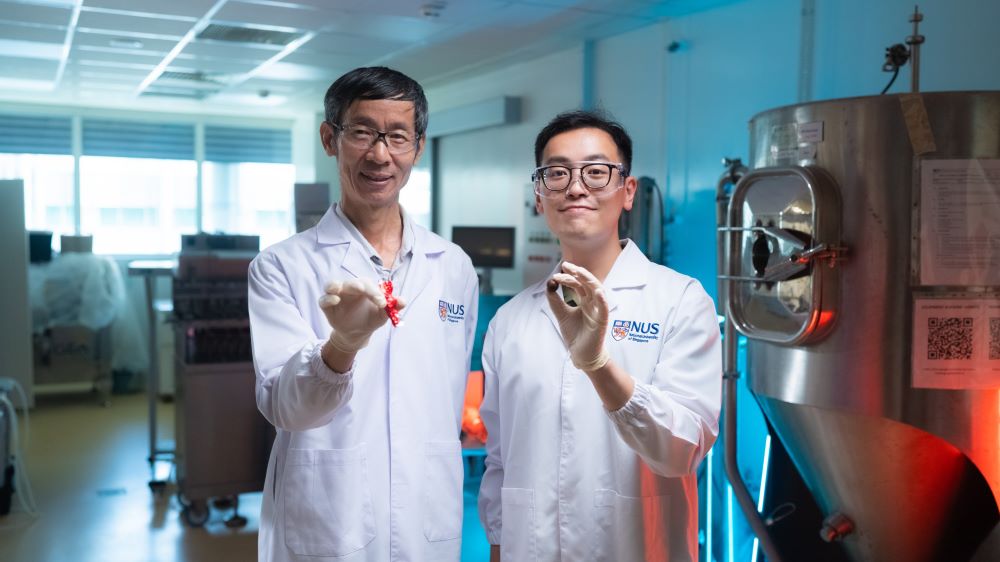
Derived from a hardy, climate-resilient plant known as Ceratonia siliqua (carob), carob pulp has gained attention as a promising cocoa alternative. After roasting, it releases a unique aroma that resembles that of cocoa. However, its flavour still falls short, posing a major hurdle for wider adoption.
The NUS team, led by Associate Professor Liu Shao Quan from the Department of Food Science and Technology (FST) at the NUS Faculty of Science, has developed two innovative techniques to enhance the taste of carob pulp.
“Our carob-based innovation meets the relatively untapped and nascent market of alternative chocolate sources. Additionally, our new techniques improve the taste of carob itself, without the use of additives such as flavourings. So, consumers can have the best of both worlds – better flavour and a simple ingredients list. With these innovations, we aim to make a meaningful contribution towards addressing the current challenges and needs of the chocolate industry,” said Assoc Prof Liu.

Office of Admissions National University of Singapore
2 College Avenue West, #01-03
(Stephen Riady Centre)
Singapore 138607
+65 6516 1010
www.nus.edu.sg/oam